

EAC
Monday, June 16, 2014
EAC moves towards data sharing
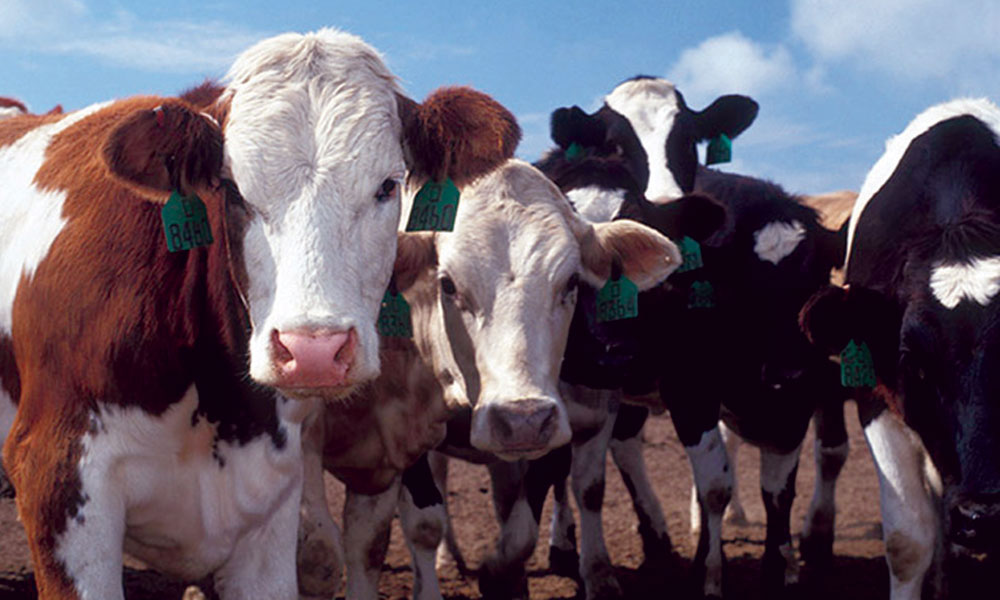
COUNT THEM: Data experts have told the EAC countries they can come up with better animal resources policies once they have updated figures.
The East African Community Partner States Ministries responsible for animal resources and national statistics have been asked to work closer together so that animal resources data management within the region can improve.
Experts on Animal Data and the Animal Resources Information System (ARIS 2) were meeting recently in Kampala.
The five-day meeting recommended to the EAC Sectoral Council on Agriculture and Food Security to request all the five Partner States to immediately initiate the use of ARIS 2.
A Technical Working Group on animal resources data should also be established at National and Regional levels and the draft Terms of Reference adopted.
The meeting urged the fisheries sector to review and update its ARIS 2 modules; and urged the Livestock Data Innovation Project in Africa to expand its coverage to all the remaining EAC Partner States of Burundi, Kenya and Rwanda support improvement of livestock data collection in its 2nd phase of the Project.
At the meeting, the Deputy Secretary General of the East African Community in charge of Productive and Social Sectors, Jessica Eriyo emphasized the importance of data in investment decisions and noted that investing in data collection, collation and analysis of the Livestock sector was a good idea that would improve management and planning of the sector.
She noted that the animals (livestock and fisheries) play a critical role in contributing to food security, income generation amongst other key economic and cultural roles. Currently, the demand for livestock and livestock products has increased and it is projected that it will increase in the future with increasing population and improved income.
Eriyo reiterated that one of the challenges facing the region is the inadequate Animal Resources (Livestock and Fisheries) statistical data on which to base marketing, investment, or policy decisions, to assess the efficacy of the current commitments or policies in the EAC.
In this context, the Deputy Secretary General said there was inadequate data to demonstrate quantitatively the role of animal resources in the region’s economies, and to use such data to create broad awareness among policy-makers and investors.
The Chairperson of the meeting, Kenya’s Senior Assistant Director of Agriculture Mrs. Irene Musebe said data is an important tool in the management of resources. It can be used in any sector and she emphasized the need for data collection, collation and analysis to inform policy formulation and implementation.
The representative of the African Union Inter-African Bureau for Animal Resources (AU-IBAR), Dr. Ibrahim Gashash Ahmed observed that data is of critical Importance in development planning and making of policy decisions, and noted that it is in tandem with the continental CAADP framework.
Data will enable the Animal Resources sector demonstrate its contribution to the National GDP and because of inadequate data from the Animal Resources in Africa it is not easy to demonstrate the contribution of the sector to the National GDP, in many cases such contributions are underestimated.
The AU official said ARIS-2 was a versatile information management platform that will be availed to all Regional Economic Communities and AU member countries for Animal data collection, collation, analysis and dissemination.
He said AU-IBAR had trained a sizeable number of Experts in EAC.
By Elisha Mayallah, Monday, June 16th, 2014