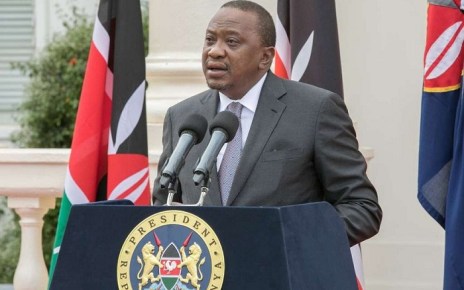
The Uganda Wildlife Bill 2017, which was passed by Parliament early this year, has been finally assented to by President Yoweri Museveni spelling doom for poachers and wildlife traffickers.
The law states that when caught, a poacher or poachers involved in killing endangered species will face life imprisonment or pay fine of Shs20 billion or both.
It also entails wildlife User Rights like hunting, farming, ranching, trading, and educational and research and general extraction use rights. It is based on the principle that economic benefits from wildlife can lead to better custodianship of wildlife resources.
“Community participation in wildlife management strengthened through Community Wildlife Committees for each Protected Area, the introduction of up to life sentence and fine of UGX 20Billion or both for wildlife crime involving endangered species and reforming revenue sharing program into conditional grants to communities are some of the highlights in the new law.
The new law also provides for the conservation and sustainable management of wildlife, strengthen wildlife conservation and management, and streamline roles and responsibilities for institutions in wildlife conservation and management.
It also provides for compensation where a person is killed, suffers bodily injury or suffers damage to his or her crops or livestock by the wild animals listed under the Fourth Schedule of the law. The listed wild animals include elephants, lions, leopards, crocodiles, buffaloes, hyenas, hippopotamus, gorillas and chimpanzees.
It also promotes commercialization of wildlife on private land through sustainable utilization and domesticated CITES implementation in Uganda.
According to the Uganda Wildlife Authority, Poaching has devastating consequences for wildlife. In some instances, it’s the primary reason why animals face a risk of extinction.
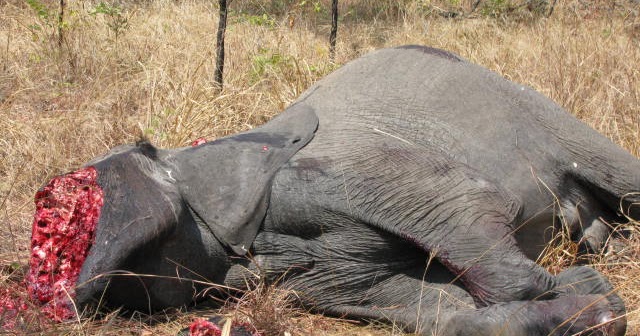
This is the case with the African elephant, more than 100,000 of which were killed between 2014 and 2017 for ivory.
Poaching has also had a catastrophic impact on rhinos, with more than a thousand slaughtered a year for their horns.
Poaching for the exotic pet trade affects an animal’s welfare in addition to its numbers in the wild. Most wild animals eat specialized diets found in nature, and they need space to fly, roam, and swing from branches.
Captured animals are stuffed into boxes, suitcases, or sacks, and even if they survive transport, they often suffer in their new, unnatural situations.
In Africa, nearly 600 rangers charged with protecting wildlife were gunned down by poachers between 2009 and 2016 while in the line of duty. In the Democratic Republic of the Congo’s Virunga National Park, one of the continent’s most dangerous, at least 170 rangers have been killed during the past two decades.
What’s more, poaching has been linked to armed militia groups in Africa suspected of trafficking ivory to fund their operations, and it often occurs alongside other crimes including corruption and money laundering. And poached animals can spread diseases, such as Ebola and SARS.
BY PAUL TENTENA