

Agri-Business
Sunday, July 13, 2014
Katani Limited to offload Tanzania's sisal shares
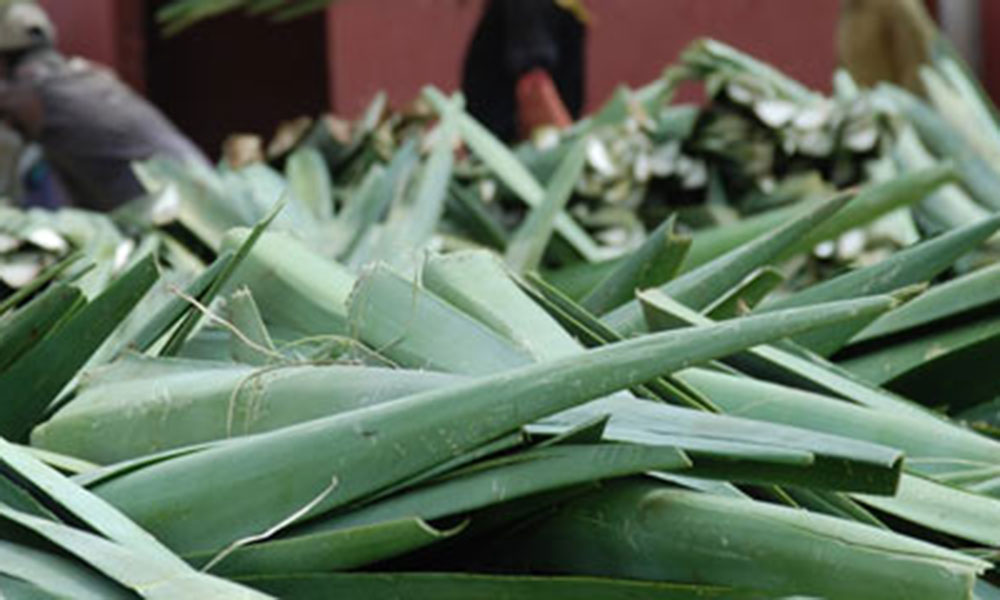
CASH CROP: Industry sources say the plan is to produce one million tonnes of sisal by 2030. COURTESY PICTURE
TANGA, Tanzania - Katani Limited will sell 40% of its shares in the Mwelya Sisal Factory to over 300 farmers living near the factory later this year, the management has confirmed.
Katani Limited marketing manager, Shaidu Rajabu, said the decision was taken to enable the farmers to be part of the ownership of the factory, located in Korogwe District, Tanga Region. He said farmers play a crucial role in the development of the sisal industry; hence it is good to take them on board.
Shaidu said the company, with over 1,170 farmers in its five factories introduced the Sisal Smallholders and Outgrowers Scheme (SISO) which has helped them in accessing loans through Savings and Credit Cooperatives (Saccos).
“The scheme has proved successful as many families which joined it have improved their living standards,” he noted.
Katani Limited has started and managed the SISO scheme with a view to add value to the sisal industry and also to provide decortications facilities for the five farms.
According to Shaidu, sisal (katani in Swahili) is among natural fibres, has a growing demand in the world market due to its environmental friendliness in production and use.
This is also due to the discovery of new products which use or mix sisal with other materials. Tanzanian Sisal has unique and attractive characteristics giving it a comparative advantage on a global scale, he said.
He also said that the future of sisal industry is bright due to new utilizations in the construction, steel, automobile and in the composites sector where sisal is used in reinforcing plastics.
The sisal industry in Tanzania has a vision to produce one million tonnes by 2030 and it is one of the priority crops outlined in Kilimo Kwanza - Tanzania’s initiative to bring about rapid agro-industrial transformation.
Katani Limited has been at the forefront in many of the sisal transformational developments.
This is due to their technical qualities, reliability and environmental friendliness.
Katani Limited has, since its inception in 1996, embarked on the development of renewable energy production using biomass and hydropower.
Introduced in 1893 by Dr Richard Hindorf, a German agronomist, as a commercial crop, the sisal industry grew to become the most extensive commercial agriculture and primary processing in Africa, spreading to Kenya, Mozambique and Angola. Peak production was reached in 1964 when Tanzania alone produced 234,000 tons
By Elisha Mayallah, Sunday, July 13th, 2014